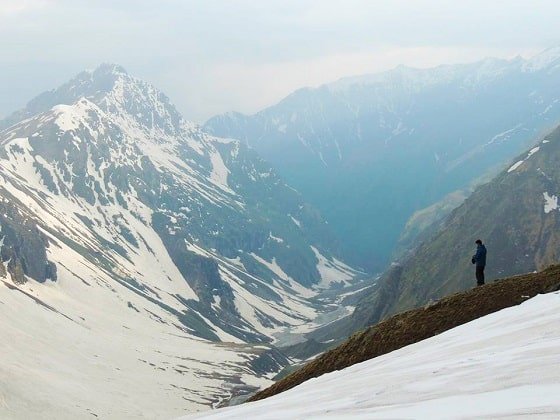
Two years ago, I stumbled upon Sainj Valley by pure accident while getting hopelessly lost on mountain roads near Kullu. What I thought would be a frustrating detour turned into discovering one of Himachal’s most pristine, untouched valleys – a place where I actually had entire meadows to myself while everyone else fought for selfie spots in crowded Manali.
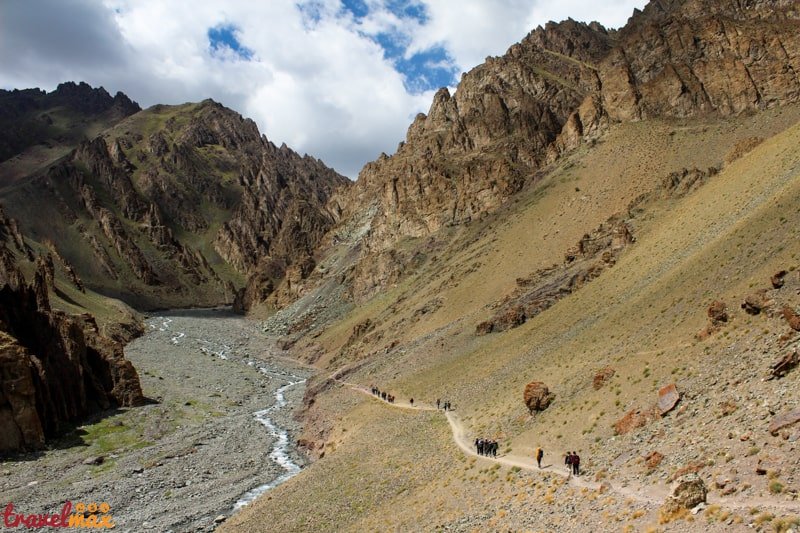
This hidden corner of sainj himachal sits just 45 kilometers from Kullu, yet feels like it exists in a completely different century. The silence here is so profound it’s almost unsettling at first – no honking traffic, no tourist chaos, just the gentle flow of the Sainj River and occasional bird songs echoing off mountain walls.
Quick Facts: Sainj Valley
| Nearest Railway Station: | Joginder Nagar (95 km) |
| Delhi to Sainj Distance: | 480 km (10 hours drive) |
| Kullu to Sainj Distance: | 45 km (1.5 hours) |
| Manali to Sainj Valley Distance: | 65 km (2 hours) |
| Chandigarh to Sainj Valley Distance: | 220 km (6 hours) |
| Best Time to Visit: | April-June, September-October |
| Budget (per day): | Rs. 1,500-3,000 |
| Altitude: | 1,500-2,000 meters |

What amazed me most about this valley is how it remains virtually untouched despite being so accessible from major hill stations. Sometimes spelled sanjh valley by locals, this peaceful region consists of several small villages that attract nature lovers and trekkers seeking authentic Himalayan experiences without commercialization.
How to Reach Sainj Valley: Complete Distance Guide

Getting to this slice of paradise is easier than you’d think, though it requires some planning. I’ve tried multiple routes from different cities, and here’s what actually works versus what sounds good on paper.
Delhi to Sainj Valley Distance and Route Options
The delhi to sainj valley distance covers 480 kilometers, which took me about 10 hours with chai stops and photo breaks. I drove via NH 44 to Chandigarh, then headed towards Shimla before turning toward Kullu. The mountain drive after Shimla is absolutely spectacular – those hairpin bends reward you with views that’ll make you forget you’re tired.
For the delhi to sainj route, I strongly recommend breaking the journey overnight in Chandigarh or Shimla. Your back will thank you, and you’ll actually enjoy the mountain sections instead of rushing through them half-dead.
Kullu to Sainj Distance: The Final Stretch
Once you reach Kullu, the kullu to sainj distance is just 45 kilometers – about 1.5 hours of winding mountain roads. This stretch is gorgeous but requires patience. The road condition has improved significantly since my first visit in 2019, though monsoons can still make things interesting.
Manali to Sainj Valley Distance and Best Route
The manali to sainj valley distance covers roughly 65 kilometers, taking about 2 hours of mountain driving. You’ll need to backtrack through Kullu, but honestly, I didn’t mind – the reverse angle of those valleys looks completely different and equally stunning.
Chandigarh to Sainj Valley Distance
From Chandigarh, the chandigarh to sainj valley distance spans 220 kilometers, requiring about 6 hours of driving. This route takes you through some of Himachal’s most scenic sections, making it one of my favorite drives when I have time to spare.
Other Popular Routes
The kasol to sainj valley distance is approximately 55 kilometers, perfect if you’re exploring the Parvati Valley region. The jibhi to sainj valley distance covers about 45 kilometers through beautiful forest roads. For those coming from Mandi, the mandi to sainj distance is around 85 kilometers via the peej kullu route.
Budget-Friendly Bus Option
For those watching their wallets, take any Delhi-Manali bus and get off at Aut. From there, local taxis charge around Rs. 500 per person to reach Sainj. Sometimes there’s a local bus from Aut, but don’t count on it – mountain bus schedules are more like suggestions than promises.
Flying to Sainj Valley
The nearest airport is Kullu-Manali, making this the quickest option if you can afford it. From the airport, it’s the same 45-kilometer drive I mentioned earlier. Alternatively, fly to Chandigarh, but that means 6+ hours of mountain driving.
Best Time to Visit Sainj Valley

I’ve been to Sainj Valley in different seasons, and let me tell you – each one offers something completely unique. The best time to visit sainj valley depends entirely on what you’re seeking.
April and May remain my absolute favorites for the best time to visit. Clear skies, comfortable temperatures around 15-22°C, and rhododendrons blooming everywhere – it’s like walking through a nature documentary. Winter visits reward you with stunning snow-capped peaks, but pack serious woolens! Monsoon season turns everything emerald green, though trekking becomes a muddy, leech-filled adventure.
Top Places to Visit in Sainj Valley

Here are the must-visit spots that completely stole my heart – each offering a different flavor of this Himalayan paradise:
1. Sainj Village – The Beating Heart
The main village feels like stepping back in time. Traditional wooden houses with slate roofs, locals tending apple orchards, kids playing cricket in meadows – it’s Instagram without the filters. What struck me most was the unhurried pace of life. People actually have time to chat, to share stories over chai.

2. Shangarh Meadows – Where Legends Live
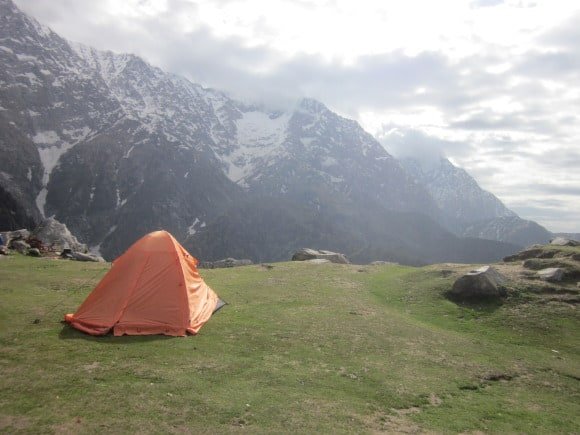
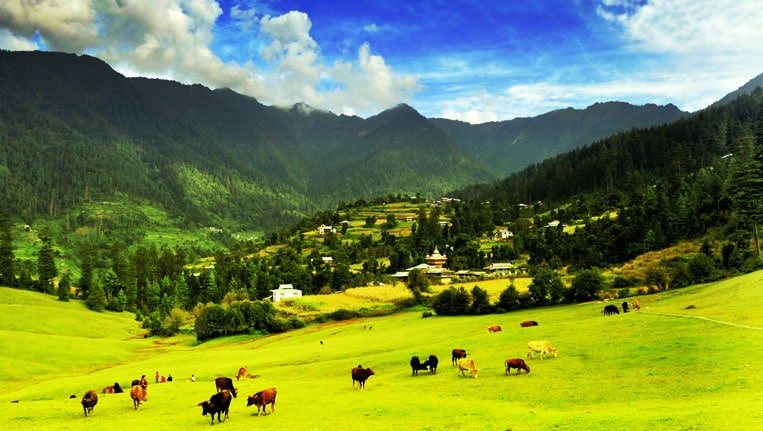
This expansive meadow carries serious mythological weight – locals believe the Pandavas spent their exile years here, and Lord Krishna himself visited. But forget the legends for a moment. These meadows offer some of the most pristine camping spots I’ve ever encountered. The Shangchul Mahadev temple stands as a spiritual centerpiece, especially during local festivals when the entire community comes together.
I spent an entire afternoon here just absorbing the 360-degree mountain views. No phone signal, no distractions – just me, the mountains, and the sound of wind through grass.

3. Pudrik Rishi Lake – Sacred Waters
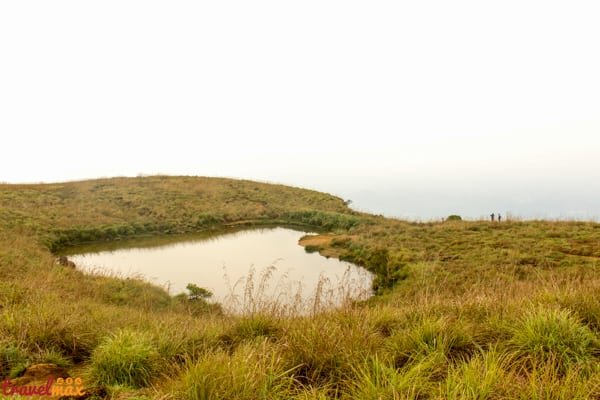
This pristine alpine lake is strictly sacred – touching the water or any water activities are completely prohibited. And honestly? The reverent atmosphere makes you want to maintain that sanctity anyway. The 2-hour moderate trek from the main village is totally worth it for those mirror-perfect reflections of surrounding peaks.

4. Great Himalayan National Park Treks
This UNESCO World Heritage site spans 1,170 square kilometers and serves as your gateway to incredible wilderness experiences. With over 830 plant species and 400 fauna species, every trail offers surprises. The park’s altitude ranges from 1,500 to 5,800 meters, meaning anything from gentle day hikes to hardcore 9-day expeditions.
I attempted the 3-day Tirthan Valley circuit – physically demanding but absolutely worth it for complete wilderness immersion. Just remember to get proper permits and preferably hire a local guide.
5. Deohari Village – Authentic Rural Life
Most travelers skip deohari sainj valley, but that’s exactly why I loved it. This small hamlet offers genuine rural Himachali experiences without any tourist polish. I spent a morning here learning about traditional apple farming techniques from incredibly welcoming villagers.
The local architecture and temple designs give you authentic cultural insights that you simply can’t get in more commercialized areas. Plus, the walk to deohari village is gentle enough for all fitness levels.

6. Hidden Waterfalls
The valley comes alive with cascades during monsoon season. My favorite discovery was a hidden waterfall about 1 kilometer from the main village – locals guided me there, and I had the entire place to myself for an hour. These aren’t the towering falls you see in tourism brochures, but intimate, accessible spots perfect for quiet reflection.
Hotels in Sainj and Where to Stay

Hotels in sainj are limited but wonderfully charming in their simplicity. I honestly preferred this to the overpriced tourist traps in mainstream hill stations. Here’s what you can expect:
GHNP Guest House – The Official Option
Located right along the banks of River Sainj in Ropa, this government guest house offers 5 deluxe rooms and 2 dormitories (10 beds each). Current rates as of 2026 are Rs. 750 for Indians and Rs. 1,200 for international guests – honestly a steal considering the riverside location.
The facilities include kitchen access, local guides, and attached bathrooms with running water. The sunrise views from the riverside are absolutely magical – I spent my mornings here with chai just watching the mist lift off the water.
Village Homestays – My Personal Favorite
I actually preferred staying with local families. The homestays offer authentic Himachali cuisine – think steaming siddu, fresh trout (when available), and vegetables straight from family gardens. Expect to pay Rs. 1,000-1,500 per person including all meals.
But the real value isn’t the food – it’s the evening conversations, learning about local customs, and waking up to actual village sounds instead of traffic noise.
If you’re planning a broader Himachal exploration, consider pairing this with my experience in the charming hill station of Kasauli for a perfect mix of wilderness and colonial charm, or exploring my complete Himachal Pradesh itinerary for more hidden gems.
Weather Patterns and Seasonal Planning
Understanding Sainj Valley weather helped me plan much better trips. Nestled in the Dhauladhar range, this valley experiences dramatic seasonal changes that completely transform available activities and landscapes.
Spring (March-May) – Peak Perfection
Spring turns the valley into a floral paradise. Temperatures range from 15-22°C – absolutely perfect for long walks and outdoor photography. Snow melts reveal vibrant wildflower meadows, and birdwatching opportunities explode.
Summer (June-August) – Adventure Season
Summer brings warmer temperatures (25-30°C) and crystal-clear skies. This becomes prime trekking season for Great Himalayan National Park trails. However, afternoons can get quite hot, so I learned to start hikes at dawn.
Monsoon Magic (July-September)
Monsoon season transforms everything into something ethereal. Temperatures cool to 18-23°C, and the entire valley turns emerald green. Waterfalls reach their most spectacular, but trekking becomes seriously challenging due to slippery, muddy paths.
Golden Autumn (October-November)
Autumn paints everything in golden hues as leaves change color. Temperatures drop to 10-18°C, making it ideal for comfortable walks and evening bonfires. This season offers some of the clearest mountain views I’ve witnessed.
Winter Wonderland (December-February)
Winter brings snow-capped beauty but temperatures can dip below 0°C. While outdoor activities are limited, the pristine white landscape and frozen waterfalls create an otherworldly atmosphere.
Essential Travel Tips from My Multiple Visits
After several trips to this hidden gem, here are my tried-and-tested tips for making the most of your Sainj Valley adventure:
Smart Transportation Planning
• Fuel up in Kullu – petrol pumps become scarce beyond that point
• Keep cash handy; digital payments work sporadically at best
• Don’t rely solely on local buses – their schedules are more like suggestions
• Road conditions change dramatically with weather
Accommodation Booking Strategy
• Book GHNP guest houses 2-3 weeks ahead during peak season (April-June)
• Homestays can often be arranged on arrival, but calling ahead helps
• Carry portable chargers – power cuts are common
• Have backup accommodation contacts
Packing Essentials
• Quality trekking shoes with ankle support
• Camera with extra batteries (no charging opportunities on trails)
• Reliable flashlight or headlamp
• Water purification tablets or portable filter
• Energy snacks for day hikes
For those seeking more offbeat mountain destinations, consider exploring Lambasingi, known as Andhra Pradesh’s Kashmir, or the stunning Kolli Hills in Tamil Nadu – both offering similar untouched natural beauty.
Frequently Asked Questions
What is the exact kullu to sainj distance and driving time?
The kullu to sainj distance is approximately 45 kilometers, taking about 1.5 hours by road under normal conditions. The route involves mountain roads with several hairpin bends, so factor in extra time during monsoon or winter when road conditions can be challenging. I always add 30 minutes buffer time for photo stops and tea breaks!
How far is manali to sainj valley distance and best route?
The manali to sainj valley distance covers roughly 65 kilometers, translating to about 2 hours of mountain driving. You’ll need to backtrack through Kullu, but the reverse valley views make it worthwhile. Plan for potential traffic delays near Kullu town during peak tourist season.
Are there good hotels in sainj for different budgets?
Hotels in sainj are limited but adequate for most travelers. The GHNP Guest House offers basic, clean accommodation at Rs. 750 for Indians, while village homestays provide authentic experiences at Rs. 1,000-1,500 per person including meals. Book the guest house well in advance, especially during April-June peak season.
What’s the complete route how to reach sainj valley from delhi?
How to reach sainj valley from Delhi: Drive 480 km (10 hours) via NH 44-Chandigarh-Shimla route, or fly to Kullu-Manali airport then drive 1.5 hours, or take Delhi-Manali bus to Aut then taxi to Sainj (Rs. 500 per person). No direct train – nearest station is Joginder Nagar, 95 km away. I recommend the road trip for scenic mountain experiences.
When is the best time to visit sainj valley for different activities?
The best time to visit sainj valley varies by activity: April-June offers perfect weather for trekking and camping with temperatures around 15-22°C. September-October provides clear mountain views and comfortable hiking conditions. Avoid July-August monsoons unless you enjoy muddy trails and leeches. Winter (December-February) brings snow but requires serious cold weather preparation.
Sainj Valley taught me that India’s most beautiful places often hide in plain sight. While crowds rush to commercialized hill stations, gems like this continue offering authentic mountain experiences. Pack your sense of adventure, leave expectations behind, and let this valley work its quiet magic on you.
This valley doesn’t just showcase stunning landscapes – it offers genuine perspective. In our hyperconnected world, places like Sainj remind us what true disconnection feels like, helping us reconnect with nature’s rhythms. Trust me, once you experience the profound silence of these mountains, broken only by bird songs and flowing streams, you’ll understand why I keep returning to this slice of Himalayan paradise.